
Are you wondering how to pick the right rfid cable tie tag? You want the best option for asset tracking and inventory management. RFID cable tie tags help you keep things organized and secure. These tags make your job easier and save time.
You might wonder how rfid cable tie tags work. These tags use rfid technology to help you track and manage items. RFID stands for Radio Frequency Identification. This technology uses radio waves to send information from the tags to a reader. You do not need to see the tags to read them. You can scan them from a distance.
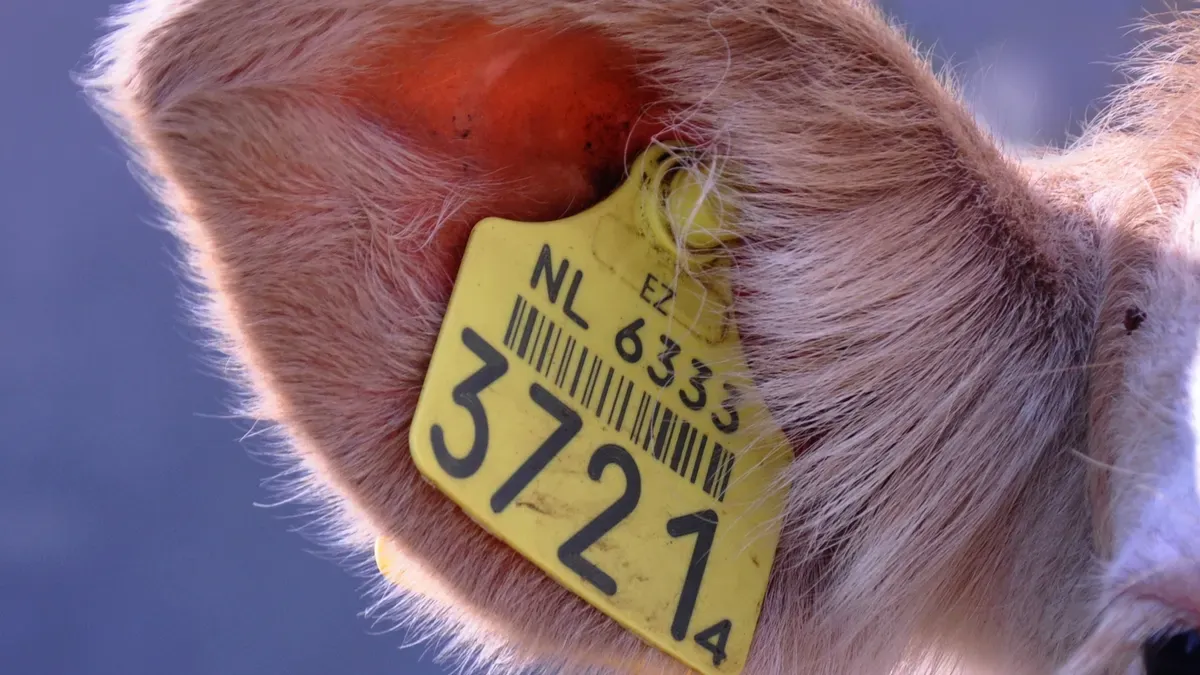
RFID technologycomes in different types. You will find low-frequency, high-frequency, and ultra-high-frequency rfid technology. Each type works best for different jobs. For example, low-frequency rfid technology works well for animal tracking. High-frequency rfid technology helps with library books. Ultra-high-frequency rfid technology is great for inventory in big warehouses.
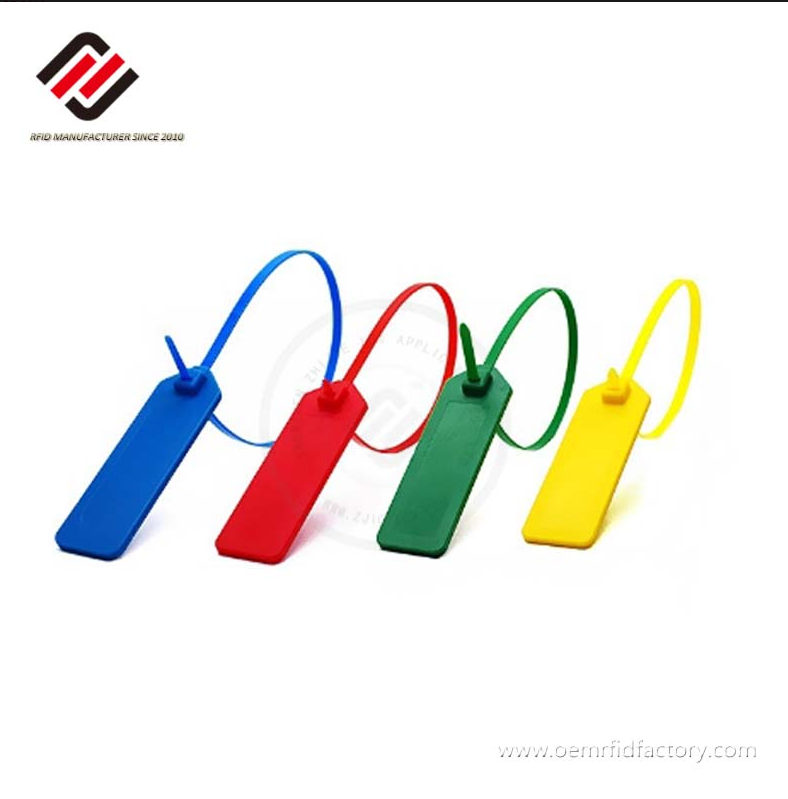
RFID cable tie tagsuse this technology to make your work easier. You can attach these tags to cables, tools, or equipment. The tags stay in place and send data when you need it.
You get many benefits when you use rfid cable tie tags. These tags help you save time. You do not need to check each item by hand. You can scan many tags at once. This makes your job faster and easier.
RFID cable tie tags also help you keep things safe. You can track your tools and equipment. You will know if something is missing. The tags last a long time and work in tough places.
You can use rfid technology in many places. These tags work in factories, offices, and even outdoors. You will find that rfid cable tie tags give you the benefits you need for smart tracking.
When you start selecting rfid cable tie tags, you need to look at several key features. You want tags that fit your needs and help you with asset tracking. If you choose the right tags, you get better tracking, more savings, and fewer headaches. Let’s break down the main things you should check before making your selection.
You need to think about how far you want to read your rfid cable tie tags. Some tags let you scan from a few inches away. Others work from several feet. The reading range depends on the rfid frequency. You can pick low-frequency, high-frequency, or ultra-high-frequency tags. Each one works best for different applications.
Low-frequency tags: Good for close-up tracking, like animal tags or small tools.
High-frequency tags: Useful for library books or office supplies.
Ultra-high-frequency tags: Perfect for big warehouses or outdoor asset tracking.
Think about where you will use your rfid cable tie tags. Some tags work well in factories. Others fit offices or outdoor sites. You need to match the tags to your applications. If you use tags for asset tracking in a warehouse, pick ones that handle dust and rough handling. If you tag cables in an office, you can use lighter tags.
You might need special features for your industrial UHF RFID cable tie tags. Customization helps you get tags that fit your applications. You can choose size, color, or print your company logo. Some tags offer extra security or permanent attachment.
Here are some key features you can customize:
Size: Pick small tags for cables or big tags for equipment.
Weight: Choose lightweight tags for easy handling.
Attachment method: Select tags with strong ties or clips.
Permanence: Decide if you want tags that stay forever or ones you can remove.
If you need unique tags for asset tracking, ask your supplier about customization. You get tags that match your tracking needs and make your selection easier.
You want your tags to stay put, right? When implementing rfid cable tie tags, always use a strong cable zip tie. This helps you secure your tags to cables, tools, or equipment. Make sure you attach your tag tightly so it does not slip or move. If you want extra strength, try double-looping the tie. This method boosts the cost-effectiveness of rfid cable tie tags because you do not need to replace lost tags. Secure your tags in a spot that is easy to scan but hard to tamper with.
You look at your environment, item size, and how often you scan. Pick tags that fit your needs.
Most cable tie tags are single-use. If you need reusable tags, ask your supplier for options.
You scan rfid tags quickly without touching them. This saves you time and helps you track items easily.
No. 225 , 2F , Hombo innovation Technology Industrial park ,Qingning Rd .Longhua district ,
Email : info@zjiotech.com


 English